Table of Content
Replicate the colonial feel by installing wooden louvered shutters for exterior doors and windows; they allow the free flow of air while filtering the light. Parting gifts from our colonists—predominantly the British but also the French, Portugese and Dutch—these structures, and many more are emblems of the colonial era. We identify them with swooning arches, tall ceilings, Georgian columns and pearl white walls studded with cross-cultural decoratives. While shopping for furniture for your home, make sure you have a healthy mix of old-new designs. By ‘old’ and ‘new’, we don’t mean pre-owned or freshly purchased. We mean furniture that fuses traditional and modern aesthetics—think straight lines with gentle curves.
Photo by Deconovo / UnsplashMinimalist design is all about simplicity. This style often features neutral colors, clean lines and a lot of open space. Furniture is typically minimalist, with few decorations or accessories.
Mid-Century Modern
The Scandinavian design creates cozy and relaxing spaces that bring the outdoors inside using natural fabrics, plats and materials. Furniture and accent pieces tend to be easy to find and are affordable, making this style widely accessible to everyone. One of the most trending Colonial interior design features is textured or floral patterned wallpaper.
Like any outdoor space, the English Cottage-style front porches is a hot commodity. Whether large or small, this living space can be adorned with flowers to create a peaceful and charming entryway for your home. These homes, often with asymmetrical exteriors, are usually made of mixed, natural materials. As you start to decorate and incorporate materials, you will notice that some materials work while others do not. There will be a lot of trial-and-error and revisions as you go along.
FARMHOUSE
Built-in storage, behind seamless doors, and careful furniture arrangements create a cool, composed vibe. Aged or antiqued finishes, metals and raw textures such as brick and stone are common, resulting in a naturally casual look. Installation lighting is an important element of a room’s overall design as is specialist wall cladding and flooring.
Bohemian spaces are typically very inviting and welcoming, making them perfect for those who want to create a warm and inviting space. Photo by R ARCHITECTURE / UnsplashThe contemporary design style is ever-evolving, but it is generally characterized by clean lines and minimalistic furniture. This style is perfect for those who want a modern look that is stylish and sophisticated.
Popular Types of Architectural House Styles
Solid wood pieces are common elements when furnishing a country-style home. What do a Majorcan finca, a villa in Provence, and a small white house on the Greek islands have in common? For those who live in less sunny places and don’t want to miss out on the serenity and that seaside feeling, bringing the Mediterranean look into their home is the perfect solution. Whether in cafes, beach bars, or restaurants, the boho look is ubiquitous and has been making its way into our homes more and more in recent years. Short for bohemian, the word originated in early 19th-century France as a term for Romani people thought to be from Bohemia and referred to their perceived unconventional lifestyle. Spanish style houses are commonly found today in Florida and the Southwestern United States.

Contemporary decorating style is often a term used interchangeably with modern style, although the two are different. Modern style is that decorating style that began in the 20th century. Contemporary style, though, is the style that utilizes design based on today’s current trends and styles. Because of that, and the fact that time is ever-changing, contemporary style is fluid. What is deemed “contemporary” in 2018 may not be considered contemporary by 2020, or even 2019. They often feature lots of slender or large windows to let in lots of natural light.
#17 Most Popular Themes for Interior Design
Tudor houses always have steep, multi-gabled roofs and may feature stone or brick exteriors. Tudor houses are found mostly along the East Coast and in the Midwest. Ranch style houses were designed in the 1930s in California, becoming popular across the country by the 1950s and 1960s.
Color tends to be neutral and on the paler, airier side of the spectrum. Accessories are few, and clutter is absolutely nonexistent in the minimalist space. Ultimately, a minimalist space thrives on clean lines and pure functionality. The primary goal of mid-century modern style is to be functional, without superfluous extras or frills. Mekaila is a part of the content marketing team and enjoys writing about real estate and design trends.
The interiors have clean straight lines with timeless and functional furnishings. Demitasse gusto jars, large vases and fish pots painted with complex patterns in multiple colors or in classic blue and white are also fashionable in Chinese innards. The japandi interior design is a combination of Scandinavian and Japanese designs. The Scandinavian part is embedded from Sweden, Denmark and Norway. The features are substantially natural sand particulars like corals, shells and plums as centrepieces Accoutrements like wood, jute, linen and glass are dominant with the style. The dominant accoutrements are substantially white-washed, natural, and blue tones that allow the sunrays to sludge through the aesthetic spaces.

This style features clean lines, luxurious materials, and minimalist decor. This style takes inspiration from warehouses and factories, with an open and airy feel. Exposed brick, metal beams, and concrete floors are all popular features of this style. Neutral crown molding is popular in Victorian homes, especially with bold-colored walls.
These homes usually have open floor plans and the furniture is arranged to break the space. It is one of the easiest interior design styles to implement since it banks on a neutral color palette and materials along with some industrial elements. The designer does not have to bank on any cosmetic tricks to make the house look good since the raw industrial elements make a strong statement.
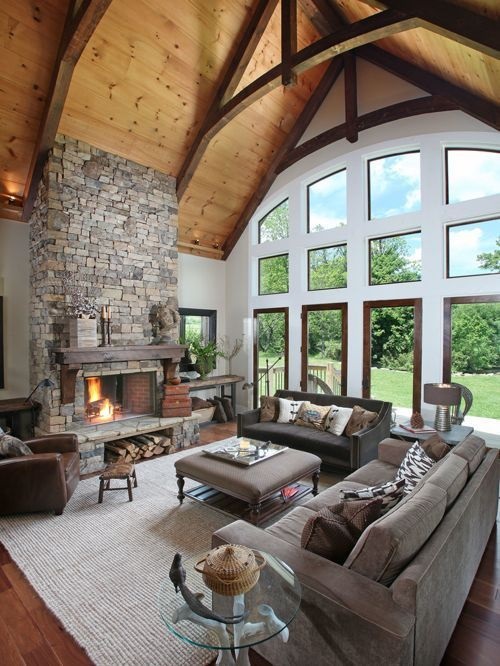
Accessories and adornments should have character without burdening the eclectic space. Space appears larger or highlights a boho décor, then light colors are your best bet. This style trended in the early 20th century and happened to make a comeback a century later. Most décor materials in this style border on simplicity, especially the furnishings.
In the Indian context, the style can be interpreted as one that follows the Gandhian principles of stoic simplicity and sustainability. In the same vein, use colour generously but avoid including too many contrasting colours together. Create a neutral base with earthy tones and use the more vibrant shades as a highlight.


No comments:
Post a Comment