Table Of Content
- Myth 6: What Works for Consumer Websites Won’t Work for My Industrial Website
- From Purpose-Driven Product To Purpose-Driven Culture
- How are growth-driven design websites built?
- Divi Products & Services
- Phase 3 — Iterative development and ongoing improvement
- A growth-driven web design approach is:
- Products

Among the major elements of your initial site is its ability to collect key customer data, SEO analytics, website visitors, conversion rates and other website performance metrics. These include how many prospects are downloading gated marketing assets and giving you their contact information. This stage is a bit more involved, so it usually takes about 90 days.
Myth 6: What Works for Consumer Websites Won’t Work for My Industrial Website
Demand-driven design of bicycle infrastructure networks for improved urban bikeability - Nature.com
Demand-driven design of bicycle infrastructure networks for improved urban bikeability.
Posted: Mon, 03 Oct 2022 07:00:00 GMT [source]
Finally, we'll move to launch the site quickly so we can begin collecting the user data that will inform the next step in the iterative GDD process. Simply stated, growth-driven design is a more intelligent and responsive approach, one rooted in customer insights, a smart, iterative process, and continual improvement. By analyzing and measuring the website's performance, businesses can make informed decisions about where to focus their efforts and make improvements to drive growth. Strategy and planning define the fundamental assumptions of your approach; they ensure that the new site and the new design elements are aligned with the goals and objectives of the business.
From Purpose-Driven Product To Purpose-Driven Culture
A website created with the GDD framework continues to evolve with time. Just as how the site is built as a team, the site is designed for the team. User experience (UX) design is designing a website in a way that is intuitive and enjoyable for users. UX design aims to improve engagement and conversion rates by making it easy for users to find what they are looking for and take desired actions, such as filling out a form or purchasing. However, mentioning website redesign sends site owners and marketing teams into panic just thinking of the arduous, all-absorbing process ahead, based on guesswork of success at best.
How are growth-driven design websites built?
By optimizing a website's conversion rate, businesses can increase their revenue and achieve better ROI from their online marketing efforts. Set clear goals and objectives for the website, such as increasing traffic, generating leads, or improving user experience. We will dive deeper into what exactly Growth-Driven Design is, but first, let’s take a look at some of the major reasons that GDD was formed in the first place.Large, costly, time-consuming, and frustrating web projects have run their course.
Divi Products & Services
The Optimise theme revolves around the user experience and the performance of your brand new website for the business. It’s all about analysing the stats and data you collect as more users are on the website. This allows you to make those relevant amends during the Continuous Improvement stage. The course is for strategists, UX designers, and marketers to learn the research, process, and methodology side of building peak performing websites. You’ll still be setting up data collection ideas during the wireframing process and checking the data to ensure you’re going in the right direction.
My DDD (Domain Driven Design) Cheat Sheet - hackernoon.com
My DDD (Domain Driven Design) Cheat Sheet.
Posted: Sat, 06 Jun 2020 07:00:00 GMT [source]
“Viviscal supplements can promote hair growth by increasing circulating levels of nutrients that support hair growth and hair strength,” notes Murphy-Rose. Murphy-Rose does, however, emphasize consulting first with your physician before taking these supplements, particularly as this formula features shark-derived collagen. New design elements appear more quickly, with less cost, and after they have been implemented based on real data. ROI increases since these design changes occur due to user data instead of speculation. Like ongoing building maintenance activities ensuring the physical workspace meets present and emerging needs, this data-based, ongoing investment assures that the website never becomes outdated. You probably won’t need to do much at all during your first sprint cycle.
A purpose-driven business model not only appeals to this demographic but also cultivates loyal customers and dedicated employees. People want to buy from and work for companies that positively impact the world. Furthermore, a strong, authentic purpose can differentiate a business in crowded markets, offering a unique selling proposition that is not easily replicated by competitors. 21st-century consumers increasingly seek brands that align with their values. They’re informed and focused on finding brands that align with their values.
A growth-driven web design approach is:
Having issues with your website is obviously a problem for your business. Every time a visitor to your site comes up against something that doesn't work the way it's supposed to, you lose business. Here's just one example—if your site takes more than 3 seconds to load, about 40% of visitors will abandon it, and probably move on to the site of one of your competitors. When an agency buys the GDD certification for their team, they get a full-scale training and are then added to the GDD certified directory. Not bad, if you consider how important growth strategies are becoming in every industry.
Products
In a 2017 survey, 350 agencies across the world reported the impact their clients have seen using Growth-Driven Design vs. traditional web design. We've gathered and processed data from all the clients we’ve worked with over the years, gleaning best practices and integrating them into our site redesign planning process. This reduces the number of assumptions we need to make and creates a stronger process. Your end-users — or visitors to your site — will become the focus of everything we do. We'll need discover how site updates will impact the user at every turn — what they might say or think about them — and may need to gather additional feedback from them to make this determination. During this phrase, expect regular meetings with your coach, project manager, and strategist to review designs, site progress, strategy, and more.
GDD is born from a realization that the traditional model of website design is broken. GDD is created from a need to eliminate the risks that come with website design. Elementor is the leading website builder platform for professionals on WordPress. Elementor serves web professionals, including developers, designers and marketers, and boasts a new website created every 10 seconds on its platform. In an era where challenges abound, purpose-driven businesses stand out as beacons of hope and innovation, demonstrating that success and societal contribution can go hand in hand. Cross-department collaboration helps your growth team better understand how to make adjustments for peak performance.
Moving into the developmental phase of the cycle, you now have the most impactful action items to work on and it’s time to start implementing them on your site. Once you’re at the build or develop stage of the cycle, you can start to implement impactful wishlist items on the website. Much like the traditional website design process, Growth-Driven Design’s first stage also revolves around strategy. In this stage, the aim is to develop a rock solid foundation which can then build the GDD process. You don’t want to set goals too high that are unattainable or even too low.
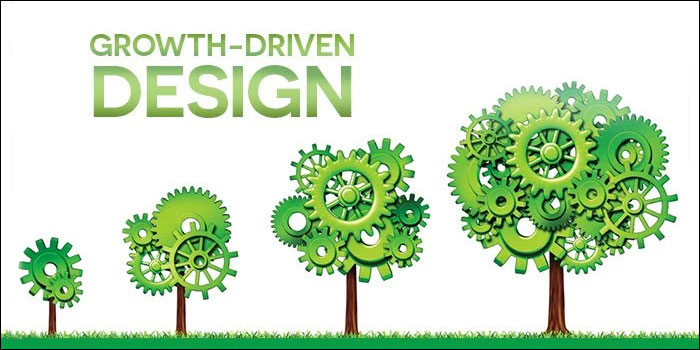
Many new businesses embrace a strategy called Growth-Drive Design (GDD). Instead of building a new website from scratch or reinventing it with a substantial revision, GDD methodologies incrementally make enhancements, improvements, and modifications. Understanding how visitors react to the website is important to this process. So, really, a more appropriate term is “user-driven design” — or, better yet, “prospect- and customer-driven design.” Well … no one’s going to change industry terminology for me.
It’s not unusual for B2B brands to allow years to pass between website redesigns. During which time, the brand’s product offering and value proposition naturally evolve, new competitors emerge, and the brand finds itself gradually losing relevance in a fast-moving market. The cycle repeats itself over and over again but with each time with a better end result and more learning about your visitors. The more you learn about your visitors, the better informed you will be about creating offers and campaigns to convert them into leads. The last step in the cycle is to transfer any impactful information you’ve learned in your cycle to other parts of your business.
Your team is forced to shift focus away from normal activities to deal with these all-absorbing design issues in return for an educated guess, at best, as to how the redesign efforts will improve business outcomes after the site is launched. As your business grows and evolves, data-driven optimizations result in a peak performance website. Are you looking to elevate your digital content with eye-catching animations? Welcome to a new era of artificial intelligence (AI), where AI animation generators transform how we create dynamic visuals. With such a growing demand by marketers and designers, these AI-powered tools are becoming...
’ Well, a Launch Pad website helps collect real user data to help you and your team make more informed decisions during this GDD process. You’re able to have users interact with the website so that you can collect behavioural data and feedback from those same users.The point of it is to avoid getting stuck on analysis, content or other features while building this website. Again, cutting down the list to around 20 percent makes more of an impact and allows the launch to be much quicker as you continue learning about your users and in turn, improving the website.


No comments:
Post a Comment